

AI Lite makes AI feel less intimidating. Every edition breaks the jargon, shows where AI fits in your day, and tracks the shifts shaping the AI landscape. No tech background needed.
✍️ From the Author's Desk
Last week we talked about post-training: how humans coach AI's behavior after it reads the internet. But who checks the coaches' work?
Turns out, there's a growing team of people whose entire job is to break AI on purpose. They probe, trick, and stress-test models before anyone else gets to use them. They're called red teamers, and most people have never heard of them.

🧠 The People Who Break AI Before It Breaks You
Every frontier AI model ships with a safety report. But behind that report is a messy, creative, adversarial process most people never see.
Red teaming is the practice of deliberately trying to make an AI system fail. Red teamers aren't fixing AI. They're attacking it, on purpose, with the goal of finding everything wrong before the public does.
Who does this work?
- Internal red teams at labs like Anthropic, OpenAI, and Google DeepMind: researchers who probe for jailbreaks, harmful outputs, and bias
- External contractors hired to stress-test specific domains (medicine, law, finance)
- Government evaluators like the US Center for AI Standards and Innovation (CAISI) and the UK's AI Safety Institute (AISI), who test models before public release
- Bug bounty participants and independent researchers who find and report vulnerabilities
What do they test for?
- Jailbreaks: prompts that bypass safety guardrails
- Harmful content generation: can the model produce dangerous instructions, hate speech, or disinformation?
- Capability evaluation: can the model autonomously complete dangerous tasks without human oversight?
- Bias and fairness: does the model treat different groups differently in ways that matter?
The Mindset Shift: From "AI companies test their own products" to "AI gets stress-tested by teams specifically hired to find what the builders missed."
Building an AI model and testing its safety are fundamentally different skills. The people building it want it to work. The people testing it want it to fail. That tension is intentional, and it's one of the most important dynamics in the industry right now.
From: "AI safety is the responsibility of the team that built the model."
To: "AI safety requires adversarial testers, external evaluators, and government oversight, all working independently of the people who built it."
Key Takeaways:
- Red teaming means deliberately trying to break AI, not just testing if it works
- Red teamers include lab researchers, external contractors, and government agencies
- The EU AI Act (full enforcement August 2026) will require documented adversarial testing evidence for high-risk AI
- 60% of organizations will use AI red teaming by end of 2026
- Many red teaming roles value writing, critical thinking, and domain expertise over engineering backgrounds
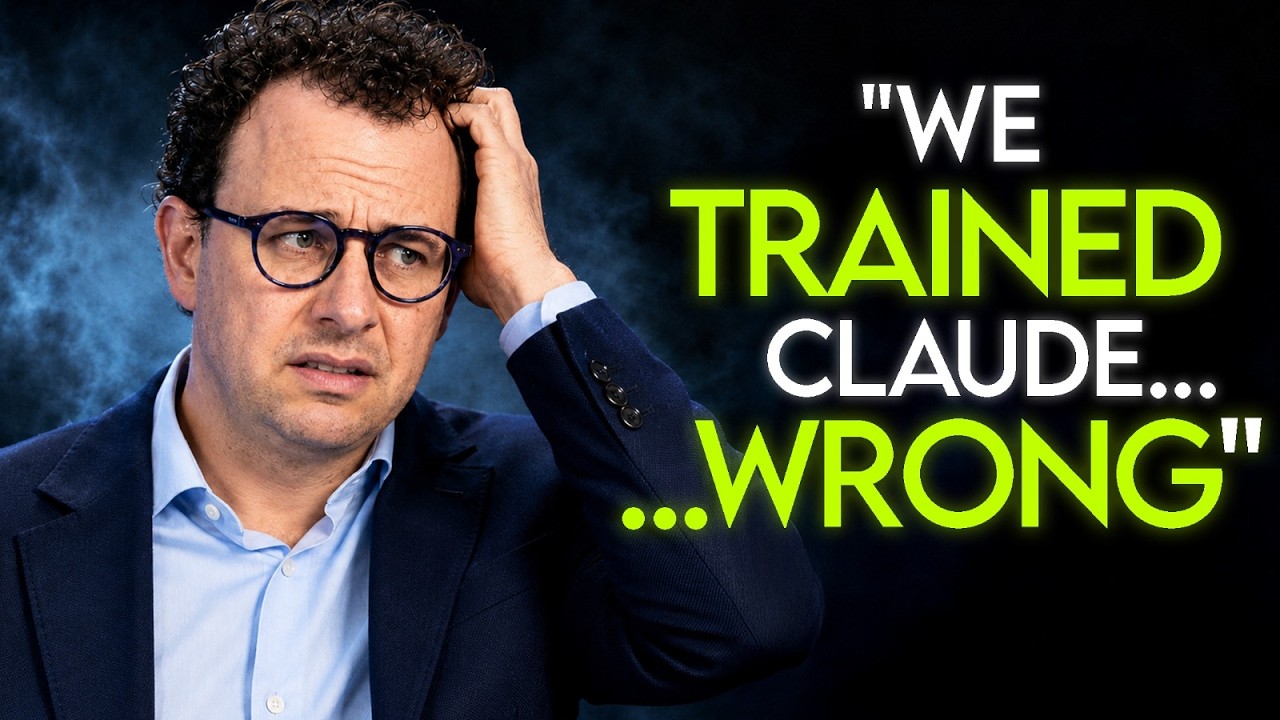
🎥 Watch (deeper dive): AI Revolution breaks down Anthropic's recent "Teaching Claude Why" alignment paper, which revealed how the lab identified and fixed Claude's dangerous survival-mode behavior through targeted safety testing (May 16, 2026).

💡 OpenAI Is Preparing Legal Action Against Apple Over Siri's ChatGPT Integration
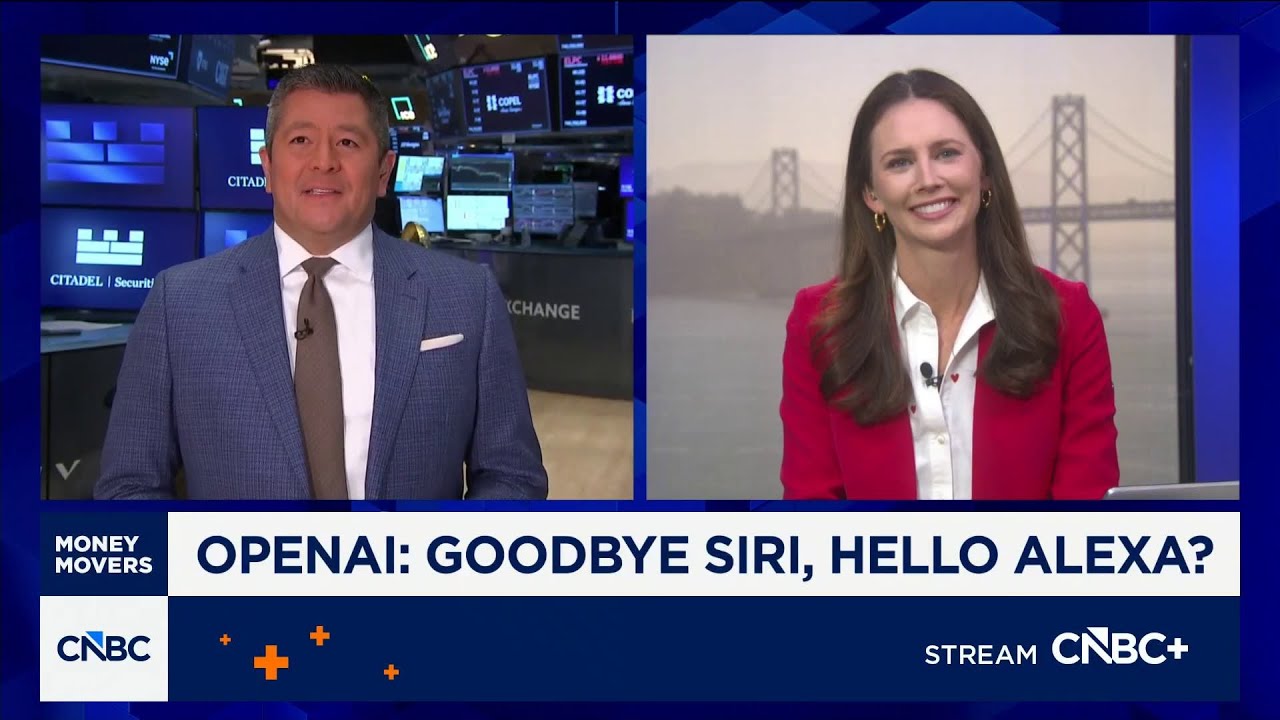
On May 14, reports emerged that OpenAI has enlisted an outside law firm to explore legal action against Apple over their ChatGPT-Siri partnership. OpenAI says the integration has been buried in menus, is hard for users to find, and has delivered far fewer ChatGPT subscribers than projected.
- Apple is simultaneously opening iOS 27 to rival AI models (Gemini, Claude) through a new "Extensions" system, letting users choose which AI powers Siri
- OpenAI believed the deal would boost subscriptions and lead to deeper integration across Apple apps, but the relationship has deteriorated
The AI provider behind your phone's assistant could soon be your choice, not Apple's. That means the testing, safety, and evaluation standards of each provider suddenly matter a lot more to everyday users.
🎥 CNBC's Kate Rooney on the tense relationship between Apple and OpenAI, and why it could end up in court (May 15, 2026).
💡 The US and China Are Launching AI Safety Talks for the First Time
At the Trump-Xi summit in Beijing on May 14, Treasury Secretary Scott Bessent announced that the two countries will establish a formal AI safety protocol. The framework aims to create best practices for preventing advanced AI models from reaching non-state actors.
- Bessent said the US can hold these talks "because we are in the lead" in AI development
- The agreement follows months of tension over AI chip export controls and deepfake regulation
Red teaming and safety evaluation have been lab-level and country-level decisions until now. When the world's two AI superpowers agree to coordinate on safety, that's the clearest signal yet that adversarial testing of AI is becoming a geopolitical priority.
💡 Google Just Turned Android Into an AI Agent That Controls Your Phone
On May 12, Google unveiled Gemini Intelligence at its Android Show, a new agentic AI layer for Android. Gemini can now move across apps, understand what's on screen, build shopping carts, book reservations, and complete multi-step tasks without the user switching between apps.
- Gemini will always come back to the user before completing a transaction: "the human is always in the loop"
- Rolling out this summer on Samsung Galaxy and Google Pixel phones first, then expanding to watches, cars, and glasses
An AI that can act across your entire phone is a fundamentally different product than a chatbot. It also requires a fundamentally different kind of testing: red teams now have to evaluate not just what the AI says, but what it does.
🎥 Google's official demo of Gemini Intelligence in action, showing the AI navigating across apps and responding to contextual cues on Android (May 12, 2026).


🚀 Your AI Evaluation Talking Point
When AI comes up at work, someone usually asks: "How do we know it's actually safe?" or "Who's checking this stuff before it ships?"
Here's the framing that signals depth, and gives you authority in the room:
Why this works at every career stage:
| 🎓 Early career | Shows you understand the process behind AI safety, not just the headlines. That's a differentiator. |
| 🔄 Career switcher | Demonstrates you can evaluate AI tools using a framework, which is exactly what product, compliance, and procurement teams need. |
| 🧭 AI leader | Signals you're thinking about AI vendor selection as a risk management process with specific checkpoints. |
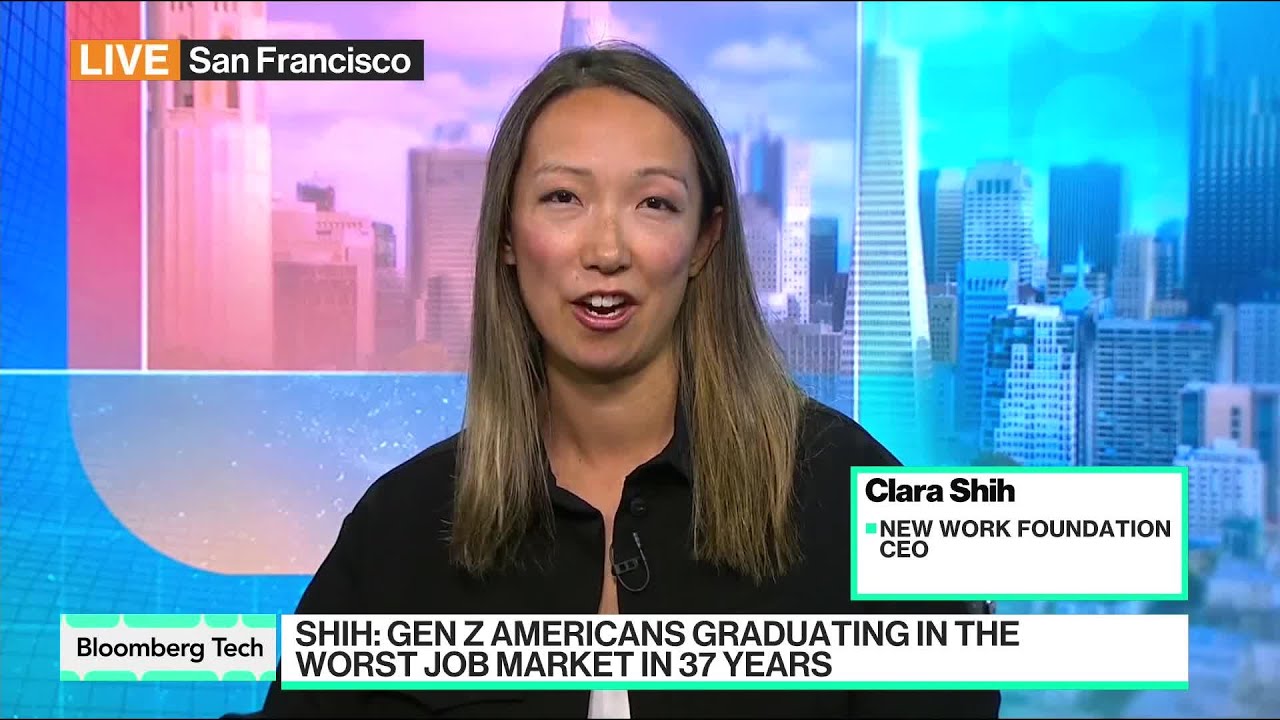
🎥 Going deeper: Bloomberg Technology on how AI is reshaping hiring standards and workforce trends, with 42% of recent grads still underemployed as employers prioritize AI-literate candidates (May 8, 2026). Useful context for why AI evaluation fluency gives you an edge.
This week, before you trust an AI tool with something important, ask: who tried to break it before I got here? If you can't find the answer, that tells you something too.
Next week: the AI tools that already work inside your apps, and you probably didn't notice. Copilots, plugins, and embedded AI. Where they live, what they do, and how to spot the difference between a feature and a product.
-Kay
