

AI Lite makes AI feel less intimidating. Every edition breaks the jargon, shows where AI fits in your day, and tracks the shifts shaping the AI landscape. No tech background needed.

✍️ From the Author's Desk
Quick confession: AI Lite went quiet for two weeks. Good reason. I've been heads-down building, and AI Lite is growing up. It's making friends in the corporate world: I've been helping shape a chief-of-staff function at Autodesk, focused on people insights and technology, putting these ideas to work where thousands of careers actually meet AI. More on that soon.
And this week's story hits close to home. AI isn't just cutting jobs. It's quietly removing the first step, the junior work that used to teach you the trade. Let's find the new one.

🧠 Why the Bottom Rung Is Vanishing
Here's what most headlines miss. AI isn't mainly taking senior jobs. It's eating the starter tasks (first-pass research, formatting, basic code) that juniors used to learn on.
Remove them, and you get the experience paradox: employers still want experience, but the jobs that built it are disappearing. New grad unemployment (5.7%) now runs above the national rate for the first time on record.
But "replace" is the wrong word. Among employers using AI, 41% say it stripped routine tasks from entry-level roles, and 42% say it expanded the judgment work those roles now demand. The first job didn't vanish. It moved up the value chain.
What's shrinking vs what's growing:
| Shrinking (AI does it) | Growing (AI can't, yet) |
| Data entry, formatting, first-pass research | Judgment calls, edge cases, ambiguity |
| Basic code, basic copy, routine analysis | Directing and checking AI's output |
| "Do the task" roles | "Own the outcome" roles |
🎥 Watch (deeper dive): IBM Technology on why AI is reshaping roles, not just cutting them (July 4).


💡 The AI Layoff Tally Is Real, and Climbing
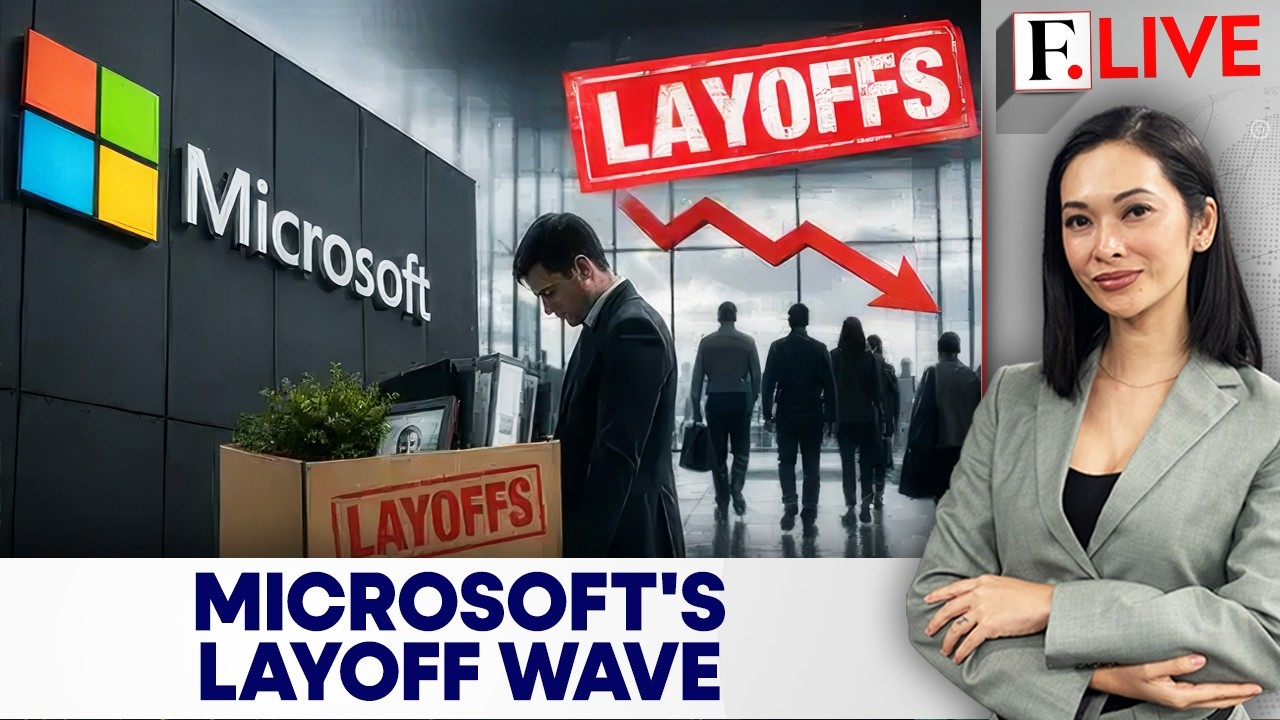
Tech layoffs hit their highest single month in years in May, and AI was the most-cited reason. Oracle cut about 21,000 roles (13% of staff), directly citing AI. Meta cut 8,000, PayPal over 4,500, and Microsoft is reportedly planning thousands more.
This isn't only tech. Nearly 50,000 US cuts this year name AI, and they hit the junior tasks first. The story isn't "robots took over." It's that the ladder is losing its bottom rungs across whole industries.
🎥 Firstpost on Microsoft's reported new round of layoffs (July 1).
 Read: The running list of 2026 AI layoffs →
💡 Claude Sonnet 5 Raises the Automation Bar
On June 30, Anthropic launched Claude Sonnet 5, its most capable everyday model yet, promising "frontier performance across coding, agents, and professional work at scale," at a lower cost.
As agents get better and cheaper at professional tasks, more of the starter workload becomes automatable. When the tool that does the starter work gets an upgrade, so does the pressure on starter jobs.
Read: The Claude Sonnet 5 announcement →💡 The Job Market Is Splitting Into Two Tracks
PwC's 2026 AI Jobs Barometer found AI is creating a "two-track" market. In "professionalised" roles, AI handles the routine so humans do higher-judgment work. Those roles are growing faster and show about 42% faster salary growth than roles AI simply "democratises."
The winners aren't people in AI-proof jobs. They're AI-paired workers. The dividing line in 2026 isn't "with a job" vs "without." It's "uses AI to do more" vs "does what AI now does."
Read: PwC 2026 AI Jobs Barometer →⏪ Also Worth Knowing
Two shifts from the gap, beyond the jobs story:
💻 OpenAI unveiled its first custom chip, "Jalapeño" (with Broadcom, June 24), claiming ~50% cheaper AI inference. Cheaper AI means more automation pressure, everywhere. CNBC →
🏛️ The US moved toward voluntary AI-release standards (reported July 1): frontier models would get government testing access before public release. Yahoo Finance →

🚀 Your 3 Moves When the First Rung Is Gone
The old advice ("get any entry job and climb") assumes rungs that no longer exist. Here's what works now:
Your 3 moves:
| 🎯 | Skip to judgment. Ship one small real project and defend your decisions. Proof beats "3 years required." |
| 🤖 | Become the agent manager. Someone who can direct and check AI agents does the output of a small team. It's an entry-level edge now, not a senior luxury. |
| 🧠 | Own the human premium. Trust, taste, judgment under ambiguity. These "professionalised" skills pay ~42% more. Aim for the complement, not the task. |
By stage: everyday, master one AI tool. Early career, build proof, not applications. Leaders, don't automate away your future seniors. Planners, rebuild the rung with apprenticeships.
🎥 Going deeper: NBC4 Washington on how to land a job after college in an AI world, and which skills matter (June 29).

This week, don't just polish your résumé. Build one piece of proof: a small project, a decision you can defend, a task you ran with an AI agent. One artifact beats ten applications.
Next week: the AI skill that pays about 42% more, and how to build it in 90 days. We'll turn the "two-track" gap into a plan.
-Kay
