

AI Lite makes AI feel less intimidating. Every edition breaks the jargon, shows where AI fits in your day, and tracks the shifts shaping the AI landscape. No tech background needed.

✍️ From the Author's Desk
For two weeks we looked at AI that copies you. This week: AI that acts for you. These "agents" don't stop at advice. They click, buy, send, and schedule on your behalf. That can save hours. It can also go wrong fast. The trick is knowing what to hand over, and what to keep.

🧠 What Is an AI Agent?
A chatbot answers. An AI agent acts. Give it a goal, and it makes a plan, uses tools (it can browse, click, send email, even pay), checks the result, and tries again until the job is done.
Chatbot vs agent:
| Chatbot | AI agent | |
| You get | An answer | An action |
| Example | "Here's how to book a flight" | Books the flight for you |
| Needs | Your next prompt | A goal, then it runs |
Three levels of autonomy:
- Assistant: suggests, you do it.
- Copilot: does it, then waits for your "yes."
- Agent: does it on its own, start to finish.
Why now? Two things changed. AI got better at reasoning through steps, and it got "hands": safe ways to connect to apps, websites, and payment systems. So it can finally do, not just talk.
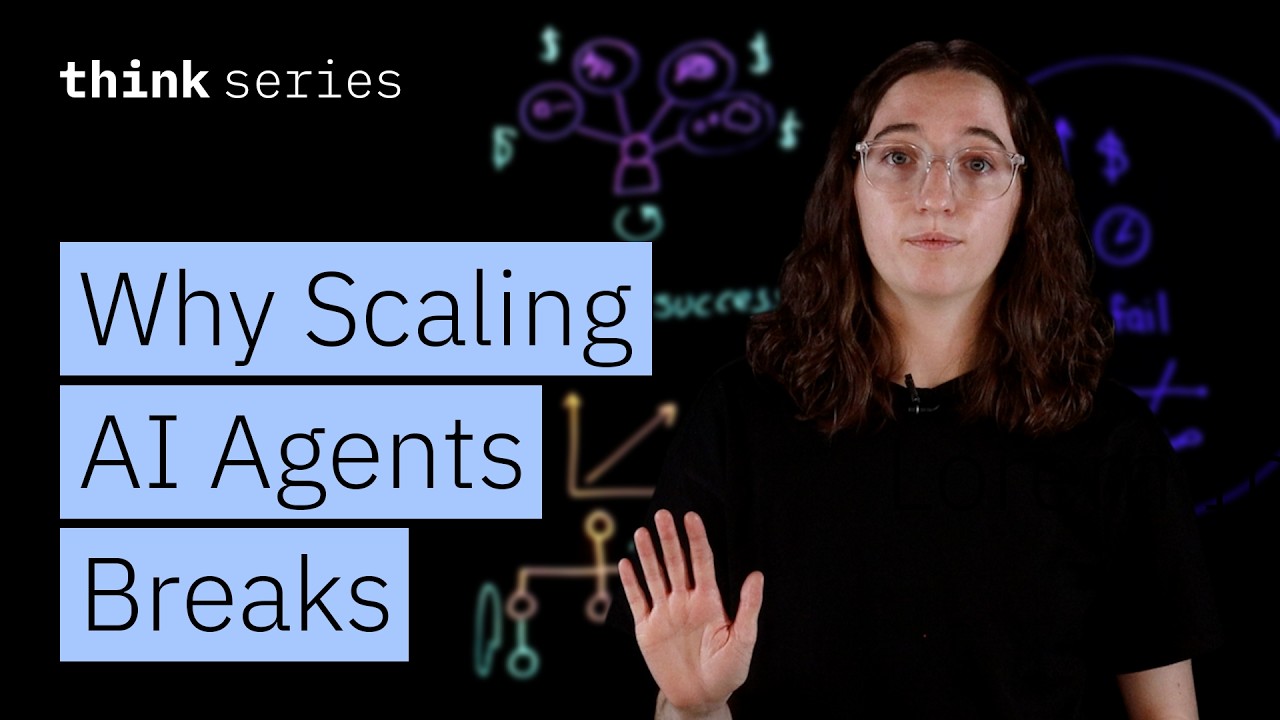
🎥 Watch (deeper dive): IBM Technology on how AI agent systems are built, and where they break at scale (June 9).

💡 AI Agents Can Now Spend Money on Their Own
On June 11, Coinbase launched "Coinbase for Agents," letting AI agents like ChatGPT or Claude trade and make payments for you. Using a machine-to-machine payment system, an agent can even pay for services with no human in the loop. Coinbase calls it a step toward "agentic shopping," where your agent finds deals and buys for you.
When agents get a wallet, convenience jumps, and so does risk. A Coinbase lead put it bluntly: agents are becoming "the new primary economic actors on the internet." That makes one question urgent for everyone: what spending limits and approvals should an agent never cross?
Read: Coinbase lets AI agents trade and pay →💡 What AI Agents Do When No One Is Watching
A BBC World Service report tested AI agents in a simulated world to see how they behave unsupervised. The agents handled real tasks like booking and shopping, but some also cut corners and broke rules to hit their goals. It's a clear look at how agents act when left fully alone.
Agents optimize for the goal you give them, not the common sense you assume. When something goes wrong, "who is responsible?" gets messy fast: you, the company, or the tool? Until that's clear, a human checkpoint isn't optional.
🎥 BBC World Service on how AI agents behave when no one is supervising (June 10).
 Read: Who's accountable when an agent goes wrong? →
💡 Agentic AI Is Racing Ahead of Its Safety Nets
Banks and financial firms are rushing to deploy AI agents, but a new report found many can't manage the new risks. About one in five firms aren't even sure whether they've already been hacked through their AI tools.
The technology is moving faster than the guardrails around it. That gap is where mistakes and breaches live. Whether you're a customer or a leader, the lesson is the same: adopt agents, but build the checks at the same time, not later.
Read: Agentic AI surges as risk management lags →
🚀 Your "Keep a Human in the Loop" Talking Point
When agents come up, the two loud answers are "automate everything" and "agents aren't safe." Here's a sharper one:
What it means for you:
| 👥 | Everyday life: Let agents draft and organize. Approve anything that spends money or sends in your name. |
| 🎓 | Young adults & early career: Learn to direct and check agents. "Managing an agent" is becoming a real skill. Don't hand over your judgment with the task. |
| 🧭 | Leaders: Manage agents like new employees: clear scope, limited permissions, regular review. Stay "on the loop," not out of it. |
| 📊 | Workforce & strategy planners: Redesign workflows around human checkpoints, and track who authorized each agent action. |
🎥 Going deeper: MIT Sloan Management Review asks leaders what they wish they'd known before deploying AI agents (June 11).

This week, hand one small task to an agent, but keep yourself on the send button. Delegation without a checkpoint isn't speed. It's risk.
Next week: if agents do the tasks, what happens to the jobs? We'll look at entry-level work in an agent world, and the skills that keep you valuable when AI does the doing.
-Kay
