

AI Lite makes AI feel less intimidating. Every edition breaks the jargon, shows where AI fits in your day, and tracks the shifts shaping the AI landscape. No tech background needed.
✍️ From the Author's Desk
Last week a reader wrote back. Her finance team got an email from the CEO asking for an urgent wire transfer. Then a voice note arrived that sounded exactly like him. Something felt off, so she called his cell. The real CEO had no idea. The voice was cloned from a talk on YouTube.
Last week we looked at the AI that watches you work. This week: the AI that can fake who you are. Your voice, your face, your writing. The hard part isn't spotting the fake. It's knowing what to do before you trust it.

🧠 When You Can't Trust Your Own Eyes (or Ears)
Synthetic media is audio, video, or text a computer makes from scratch that looks and sounds real. At work, three kinds matter.
- Voice cloning: A few seconds of audio (from a meeting, webinar, or voicemail) lets AI make that voice say anything.
- Face and video deepfakes: Software copies a face and its lip movements, so a fake "live" video call can show your boss talking in real time.
- Writing-style mimicry: AI reads someone's old emails and writes new ones in the same tone, with perfect grammar and no typos.
Why now? The tools are online, cheap, and need very little input. No studio. No coding. A short clip or a few public photos. One scammer can run many fake calls in a day.
The mindset shift
From "I'll know a fake when I see it" to "I can't, so I verify instead." Detection tools score well on test data, then slip on brand-new fakes. Researchers call the gap structural. The fakes improve faster than the catchers.
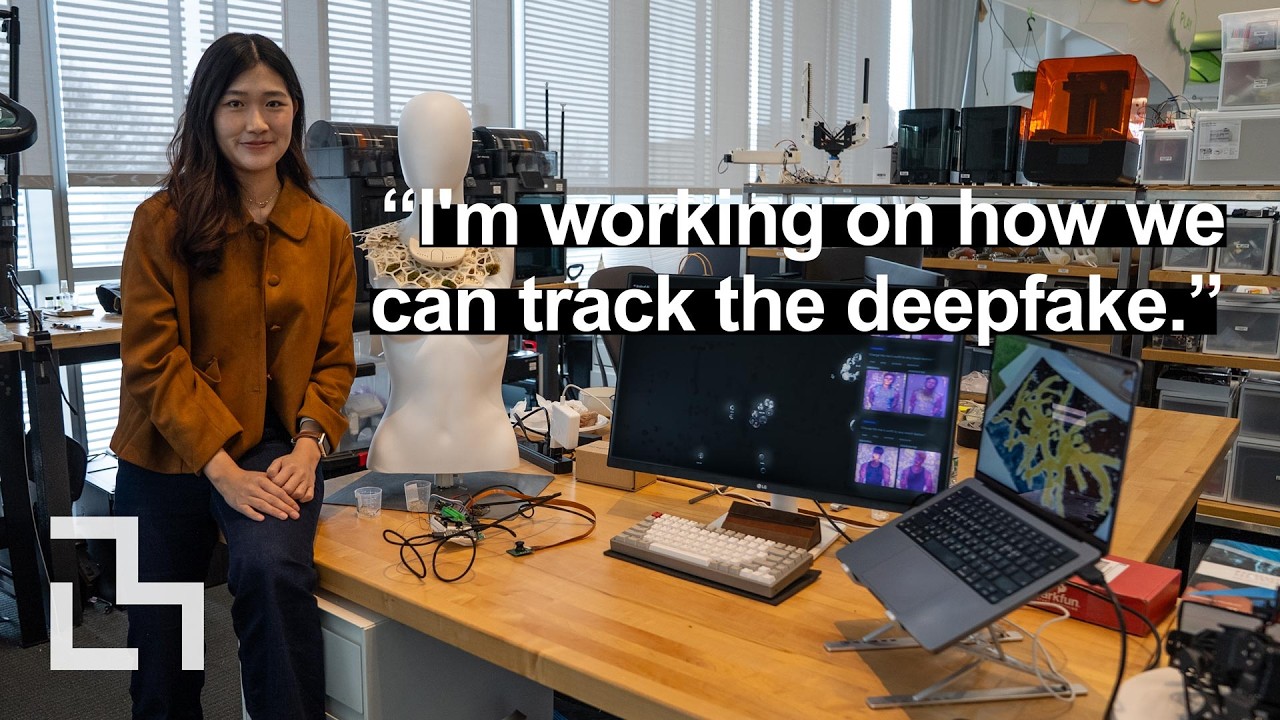
🎥 Watch (deeper dive): MIT Media Lab demos a tool that flags deepfake images and explains why they look fake (June 8).

💡 Google Builds a "Fake Call" Shield Into Android
On June 2, Google began rolling out fake call detection in Phone by Google. When a saved contact calls, their phone sends a silent, encrypted signal. If a scammer spoofs that number with a cloned voice, the signal is missing, and your phone warns you to hang up. On by default for Android 12+ phones, starting with Pixel.
Voice-clone scams now power "CEO fraud": a fake boss calls finance for an urgent transfer. When the largest mobile system builds verification into the dialer, the message is clear. Don't trust the voice. Verify the device.
🎥 Consumer Reports on why AI voice-cloning scams are spreading, and why seconds of audio is all it takes (June 2).
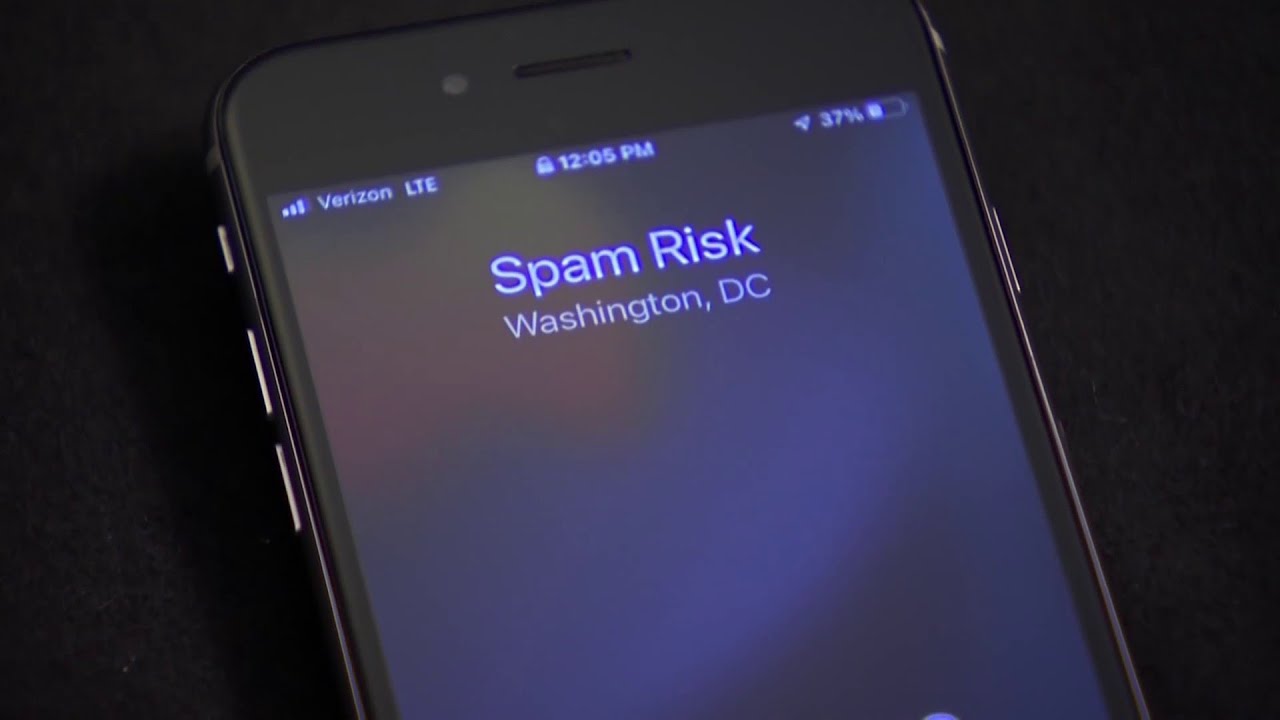 Read: Google rolls out fake call detection →
💡 AI Avatars Just Became Real-Time Coworkers
On June 4, AI-video company HeyGen launched LiveAvatar, a digital twin that listens and talks back in real time, plus an avatar API priced at 5 cents per second. It added avatar replies inside email (Superhuman), Canva, and coding tools, and says it now offers 230+ avatars across 140+ languages.
AI avatars are moving from canned training videos to interactive, always-on stand-ins for real people, cheap enough for any team. Handy for support and onboarding. But also a growing supply of realistic faces and voices. That is the same raw material impersonation scams feed on.
Read: Inside HeyGen's May 2026 release →💡 New York Says: Label Your AI Actors
A first-in-the-nation New York law takes effect June 9. It requires advertisers to disclose when a "synthetic performer" (an AI-generated person who is not a real, recognizable human) appears in an ad. Penalties run $1,000 to $5,000 per ad, enforced by the state Attorney General.
As AI faces flood marketing, "is the person on screen real?" becomes a legal question, not just a gut check. It's an early step toward labeling synthetic media so viewers know what they're seeing. Similar bills are moving in California, Illinois, and Texas.
Read: New York's synthetic performer disclosure law →
🚀 Your "Verify Before You Act" Talking Point
When deepfakes come up at work, the panic answer is "we need better detection tools." Here's a sharper one:
Why it works at every stage:
| 🎓 | Early career: Shows you think in systems, not just gadgets. |
| 🔄 | Career switchers: Signals you understand operational risk, valued in finance, ops, and security. |
| 🧭 | Leaders: Shows you'd build a verification policy before an incident, not after one. |
🎥 Going deeper: Western Mass News breaks down simple ways to protect yourself from AI scams (June 4).
This week, treat every urgent request as unverified until you check it through a second channel. The fake is built to feel real and rushed. Slowing down is the whole defense.
Next week: the AI that doesn't wait to be asked. It books, buys, and sends, all in your name. When AI starts taking real actions for you, who is accountable when it gets one wrong?
-Kay
