

AI Lite makes AI feel less intimidating. Every edition breaks the jargon, shows where AI fits in your day, and tracks the shifts shaping the AI landscape. No tech background needed.
✍️ From the Author's Desk
Last week we talked about the people who break AI before it reaches you: red teamers and evaluators. But once a model passes those tests, where does it actually go?
Not to a chatbot most of the time. It goes inside the tools you already use. Gmail's smart replies, Excel's formula suggestions, Google's AI-powered search results: these aren't separate AI products. They're AI embedded directly into your existing workflow. And most people never notice the shift.

🧠 The AI You're Already Using (You Just Didn't Notice)
Most people think of AI as a separate tool: ChatGPT, Claude, Gemini. Something you open, type into, and close. But the fastest-growing form of AI isn't a standalone product. It's a layer embedded inside the apps you already have open.
Embedded AI is artificial intelligence built directly into existing software, running in the background or surfacing as a feature inside a tool you were already using. You don't install it separately. You don't switch tabs to use it. It's just there.
Where is it right now?
- Google Workspace: Gemini drafts emails in Gmail, generates slides in Docs, builds formulas in Sheets, and summarizes meeting notes in Meet
- Microsoft 365: Copilot writes documents in Word, analyzes data in Excel, summarizes email threads in Outlook, and generates meeting recaps in Teams
- Google Search: AI Mode (now with over 1 billion monthly users) generates multi-step answers, recommendations, and research summaries directly in search results
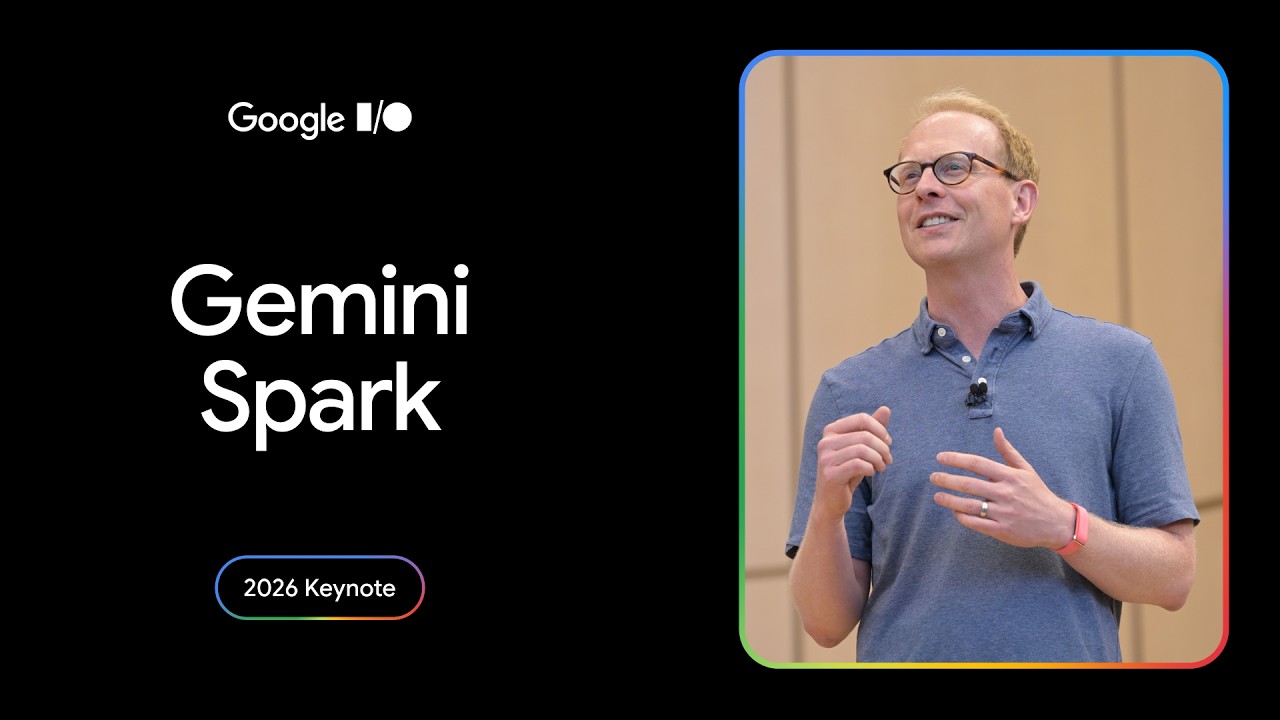
- Your phone: Gemini Spark (announced at Google I/O, May 19) is a 24/7 personal AI agent that reads your Gmail, Calendar, and Tasks, then acts on your behalf
Three categories to know:
| Type | What it does | Example |
| Copilot | Works alongside you, suggesting and drafting | Microsoft Copilot in Word, GitHub Copilot |
| Agent | Acts on your behalf across multiple steps | Gemini Spark scheduling your day from Gmail + Calendar |
| Background AI | Runs silently, improving the product | Google Search ranking, Spotify recs, Gmail spam filtering |
The Mindset Shift: From "I need to find the right AI tool" to "the AI tool already found me."
The conversation about AI adoption has been framed as a choice: should I start using AI? But for most knowledge workers, the choice has already been made. The apps they use every day have integrated AI into core workflows. The real question is whether you know what's there and how to use it well.
From: "AI is something I go to when I need help."
To: "AI is already running inside the tools I use every day, and knowing how to work with it is a skill."
Key Takeaways:
- Embedded AI is built into your existing apps, not installed separately
- The three forms: copilots (assist), agents (act), and background AI (run silently)
- Google AI Mode has crossed 1 billion monthly users, most of whom never "opted in" to using AI
- Microsoft Copilot is now embedded across Word, Excel, Outlook, and Teams for enterprise users
- The skill isn't "learn a new AI tool." It's "understand the AI layer in the tools you already use"
🎥 Watch (deeper dive): Google's official I/O 2026 recap covering every major announcement, from Gemini 3.5 Flash to AI Mode to Gemini Spark, showing how AI is now embedded across Google's entire product ecosystem (May 19, 2026).
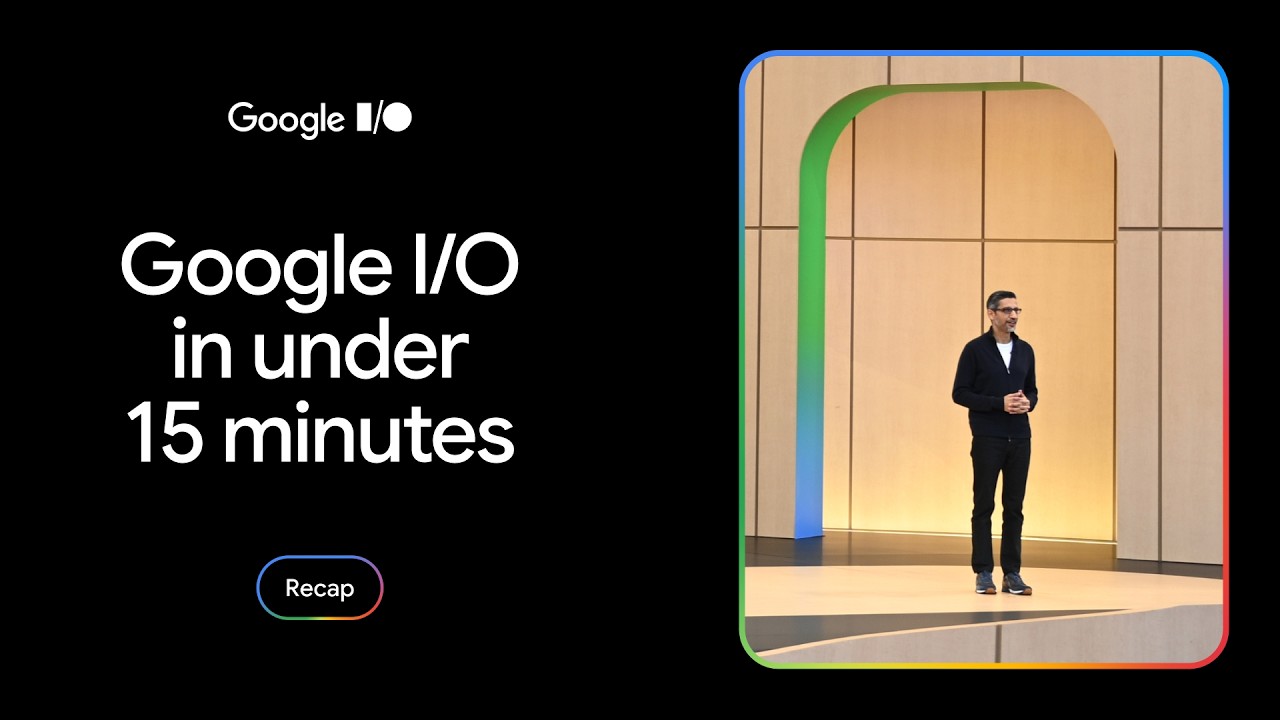

💡 Google I/O 2026: AI Is Now the Default, Not the Feature
WHAT HAPPENED
At Google I/O on May 19, Google announced Gemini 3.5 Flash (its most powerful agentic model yet), revealed that AI Mode in Search has crossed 1 billion monthly active users, and introduced Gemini Spark: a 24/7 personal AI agent that reads your Gmail, Calendar, and Tasks, then takes action on your behalf.
WHAT YOU NEED TO KNOW
- Gemini 3.5 Flash is now the default model across the Gemini app, AI Mode, and Google's developer API
- Gemini Spark integrates directly with Gmail, Docs, and Calendar, and will expand to third-party tools via MCP this summer
- CEO Sundar Pichai framed the keynote around making AI "cheap and fast enough to deploy across products used by billions"
WHY IT MATTERS
Google isn't launching AI tools. It's embedding AI into every product a billion people already use. When the default search experience is AI-generated, the shift from "opting in to AI" to "AI is already here" is complete.
🎥 Google's official demo of Gemini Spark in action, showing the AI personal agent navigating Gmail, Docs, and Calendar to manage your day (May 19, 2026).
💡 Microsoft Ships AI Agents That Can See Your Screen and Navigate Any App
WHAT HAPPENED
Microsoft announced that computer-use agents in Copilot Studio are now generally available across all commercial Power Platform regions, making Microsoft the first major cloud provider to ship production-grade computer-use AI to enterprises.
WHAT YOU NEED TO KNOW
- Computer-use agents don't need APIs or integrations. They see what's on screen and navigate any app the way a human would: reading, clicking, typing, and adapting when layouts change
- The GA build ships with OpenAI CUA and Claude Sonnet 4.5 as supported models, plus Azure Key Vault credential storage and Microsoft Purview audit logging
WHY IT MATTERS
This is a different kind of embedded AI. Instead of working inside one app, computer-use agents work across all of them. They don't need each app to have an AI feature built in. They just see the screen and act. That changes the automation landscape for every legacy system that never got an API.
💡 OpenAI Co-Founder Andrej Karpathy Joins Anthropic
WHAT HAPPENED
On May 19, Andrej Karpathy, one of the most recognized AI researchers in the world and a founding member of OpenAI, announced he's joining rival lab Anthropic. Karpathy will lead a new team focused on using Claude itself to accelerate pretraining research.
WHAT YOU NEED TO KNOW
- Karpathy was a co-founder of OpenAI and led Tesla's Autopilot AI team before going independent with a focus on AI education
- Anthropic is simultaneously closing a $30 billion funding round at a valuation exceeding $900 billion, surpassing OpenAI's $852 billion March valuation
WHY IT MATTERS
The people who build the AI that ends up inside your apps are making career moves too. Karpathy choosing Anthropic signals where he believes the most consequential work is happening. When the builders of these embedded AI systems shift, the products you use shift with them.
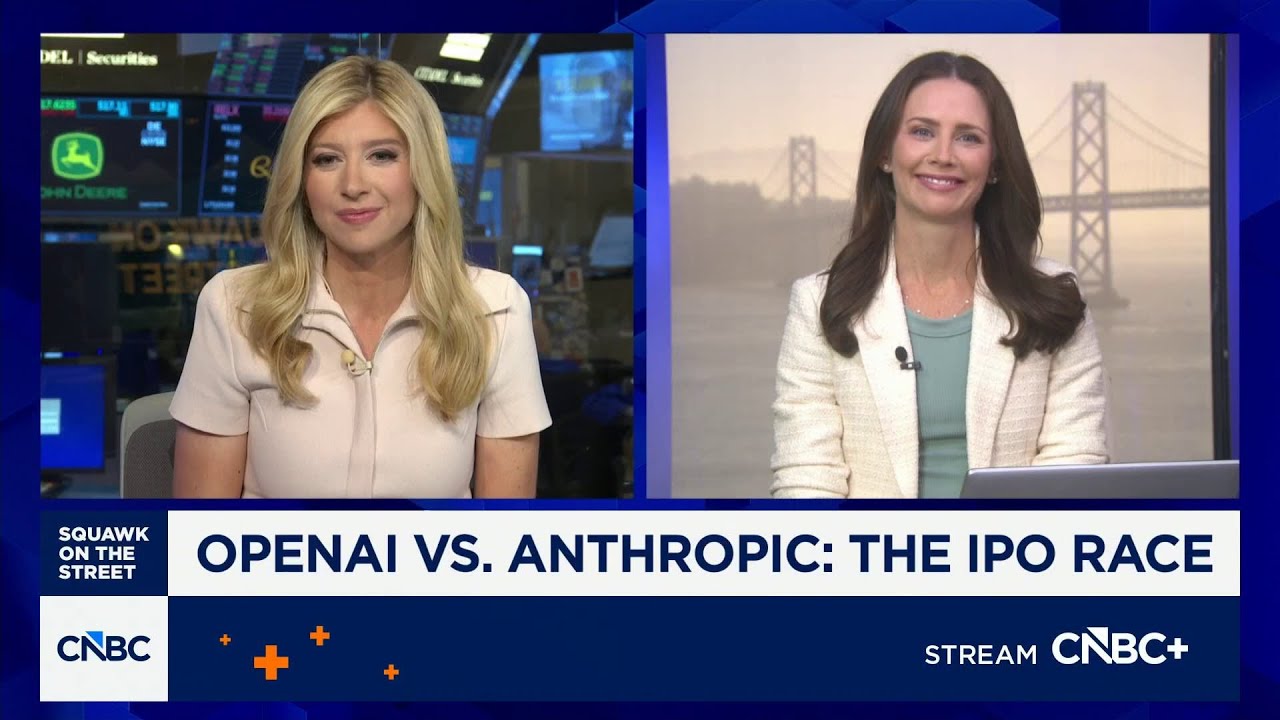
🎥 CNBC Television on the intensifying competition between OpenAI and Anthropic, as both labs race toward potential IPOs while the talent war heats up (May 14, 2026).

🚀 Your Embedded AI Talking Point
When AI comes up at work, someone usually asks: "Should our team be using AI tools?" or "What's the best AI platform for us?"
Here's the framing that signals depth, and gives you authority in the room:
Why this works at every career stage:
|
🎓 Early career Shows you understand AI isn't just ChatGPT. You can name the embedded layer in enterprise tools, and that's rare. |
|
🔄 Career switcher Demonstrates you can audit a team's existing AI exposure, a skill product managers, compliance leads, and ops directors need. |
|
🧭 AI leader Signals you're thinking about AI governance as a stack-level question, not a tool-by-tool decision. |
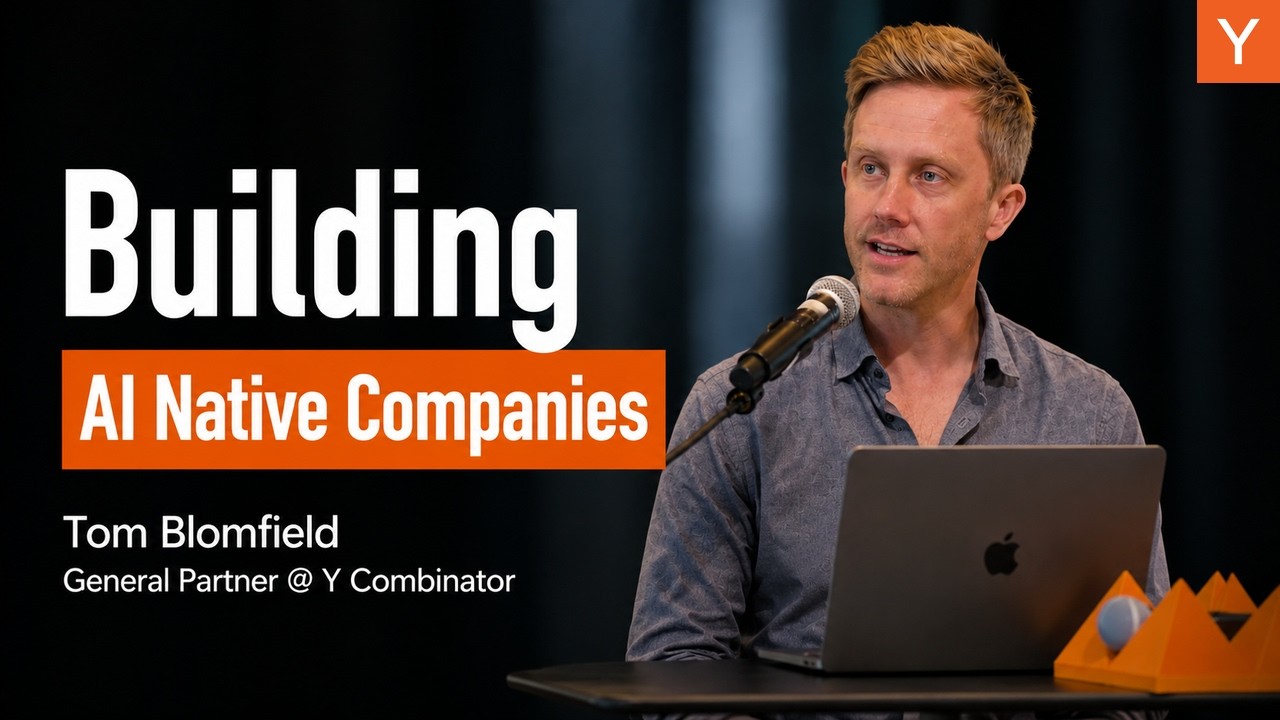
🎥 Going deeper: Y Combinator General Partner Tom Blomfield on why "copilots are the wrong mental model" for how AI is changing companies, and what AI-native organizations actually look like (May 14, 2026). Useful context for why understanding embedded AI is a career advantage.
This week, before you download another AI app, ask: what's already inside the ones I have? The answer might surprise you.
Next week: the AI that watches what you do at work, and what your employer is allowed to do with it. Workplace AI monitoring, employee data, and the policies most companies haven't written yet.
-Kay
