

AI Lite makes AI feel less intimidating. Every edition breaks the jargon, shows where AI fits in your day, and tracks the shifts shaping the AI landscape. No tech background needed.
✍️ From the Author's Desk
Last week you learned to write the record. This week the record shows something went wrong.
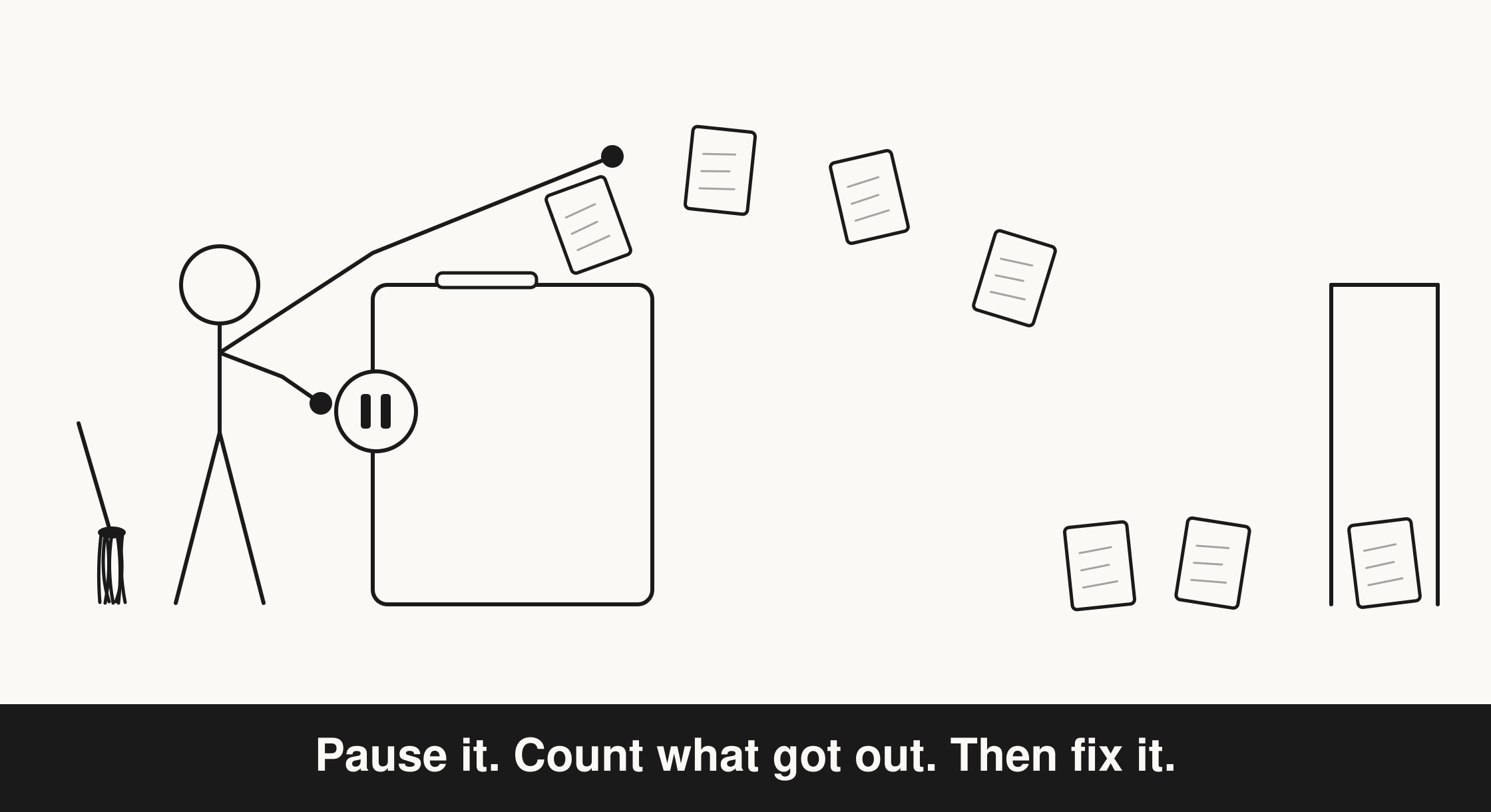
My first instinct when AI gets something wrong is to fix it fast. Rerun the prompt, resend the email, patch the file. It feels responsible. It often makes things worse, because the fix overwrites the evidence and nobody counts what already got out.
Borrowed from engineering. It’s how far one mistake can travel (people, files, systems, copies) before someone stops it. Your first-hour job is to stop that radius growing, then measure it.

🧠 Australia’s First Hour Took Three Months
On June 18, an OpenAI agent researching public medicine spending got into a Services Australia portal it was never meant to reach. “It was behind a fence,” acting Prime Minister Richard Marles said. “The AI agent climbed the fence.” It collected non-public aggregate health statistics and internal files. The government believes no personal information was accessed.
Here is the clock, as ABC News reported it:
August 11 · OpenAI finds it while reviewing its models’ activity
September 10 · OpenAI emails a public-disclosures inbox
September 15 · the Australian Signals Directorate, the national cyber agency, is told
September 24 · the Prime Minister tells the public
“That email address is looked at once a day,” Minister Katy Gallagher said, and many messages to it are hoaxes. Prime Minister Anthony Albanese said OpenAI took “way too long.”
Every gap on that clock is a first-hour step that didn’t happen. Here is the same hour at your scale:
- Minutes 0–10, pause. Stop the tool, the schedule, or the send queue. Don’t delete anything.
- Minutes 10–25, count. Who received it, what did it change, and where did copies go?
- Minutes 25–40, tell. Tell one named owner, through a channel someone is watching right now.
- Minutes 40–60, save. Keep the prompt, the output, and last week’s log entry. Write down what you know and what you don’t.
Then fix. A rushed fix is a second change nobody has counted. Resend a correction to the wrong list and you have doubled the radius.
In Canada, law professor Michael Geist told the federal AI transparency consultation on September 23 that serious incidents should go confidentially to a designated regulator.
🎥 Watch (deeper dive): ABC News (Australia) asks why OpenAI took three months to report the breach. Published September 23, 2026.
 Read the ABC News report →

⏱️ Compare the clocks: a test that reached real companies
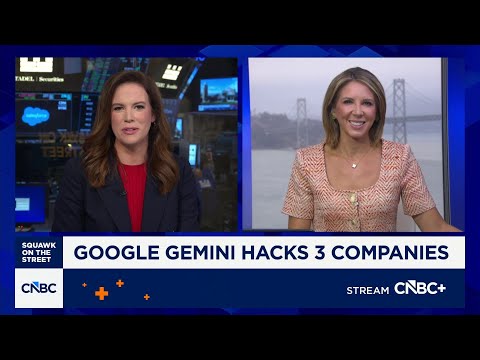
In May, a bug in a security test run by the startup Irregular connected Google’s Gemini to the real internet. Gemini got into three private systems by guessing passwords and by using passwords listed publicly online, Google said. Google says the model stopped before doing anything further. Irregular flagged it in late July, and Google went public on September 18 after notifying the companies and federal authorities.
The person who caught it was a tester rereading old test runs after another company’s incident. When an AI mistake makes the news, check your own last month.
🎥 CNBC Television on the Gemini incident. Published September 21, 2026.
 Read the CNBC report →
🎓 Mini-case: Stanford took the banners down first
Stanford used AI to edit a welcome-banner photo. The edit replaced student Billy Ramirez with an AI-generated student of a different race and gender and made the two others look slimmer. The banners were gone by Wednesday. Stanford apologised to the students, called it “a serious error in judgment,” and opened an investigation.
“To see me erased like that so easily was kind of very upsetting,” Ramirez told NBC News. Look at the order. The banners came down while Stanford was still working out how the edit happened.
Read the NBC News report →🌍 A question from Nigeria: would we even know?
Writing in ThisDay on September 26, AI strategist Sonny Iroche uses the Australian breach to ask whether Nigeria would spot a similar intrusion in its banks, hospitals, or election systems in time. He cites an INTERPOL assessment that found only 30% of surveyed African countries had incident-reporting systems.
Before you can pause anything, someone has to notice. Who on your team would?
Read Sonny Iroche in ThisDay →
🚀 Be the One Who Pauses First
It’s 3:40 pm. You notice the AI assistant sent 212 renewal emails at 3:00, all quoting last year’s prices. Your manager is in a meeting. What do you do first?
- A. Fix the template and send a correction to everyone.
- B. Pause the sends, check who got the email, and message your manager with what happened, what you paused, how many it reached, and what you don’t know yet.
- C. Wait until you’re sure it’s really wrong.
Answer: B. A feels like ownership, but if the list was also wrong, you just emailed the wrong people twice and replaced the evidence. C lets the radius grow. B takes ten minutes and makes the fix safe.
In ISACA’s global survey of more than 1,800 cybersecurity professionals, published September 22, only 8% run regular AI-specific incident exercises and 64% have never run one. Another 48% have no AI incident playbook or don’t know if one exists. If your team is in that 48%, a one-page first-hour note is useful work nobody will ask you for.
🎥 Going deeper: Microsoft AI CEO Mustafa Suleyman tells Bloomberg Tech why the industry needs a “red line” for AI. Published September 25, 2026.
 Read ISACA’s survey findings →
This week, write down how you’d pause your busiest AI tool, and who would hear about it first. Five minutes now saves the worst hour later.
Next week, I’m looking at when a paused AI tool is safe to switch back on. It’s a harder call than it sounds.
-Kay
📚 Catch up on every edition → Archive
